Japanese Saws
Japanese saws cut on the pull stroke, keeping the blade under tension for greater control. This allows for a thinner blade, meaning less material is removed per cut - so you work faster and with less effort than Western-style push saws.
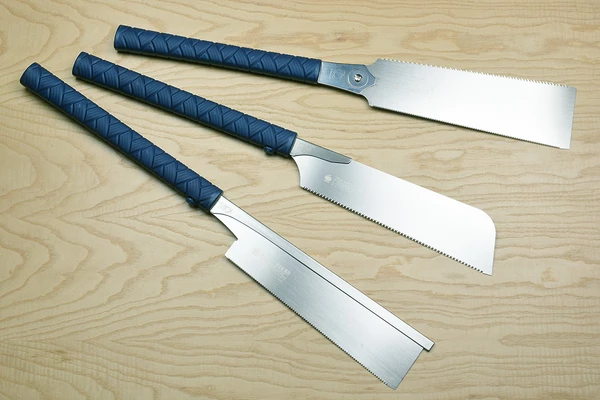
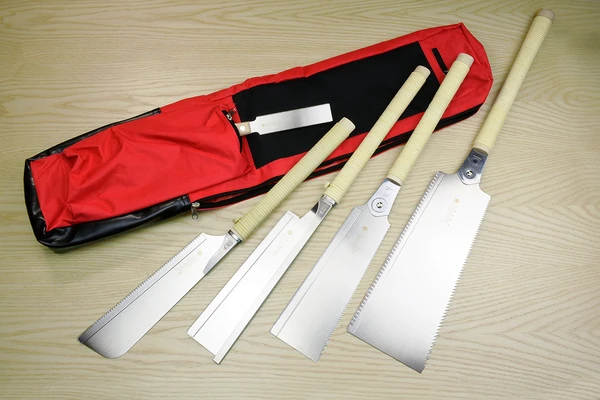
Japanese saws fall into three main categories. In general, longer saws have coarser teeth and are better suited to larger work pieces.
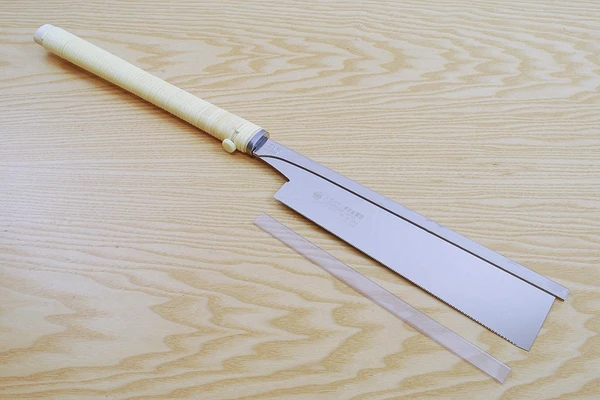
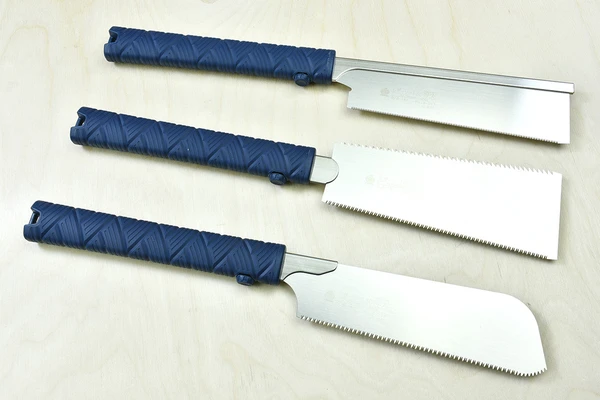
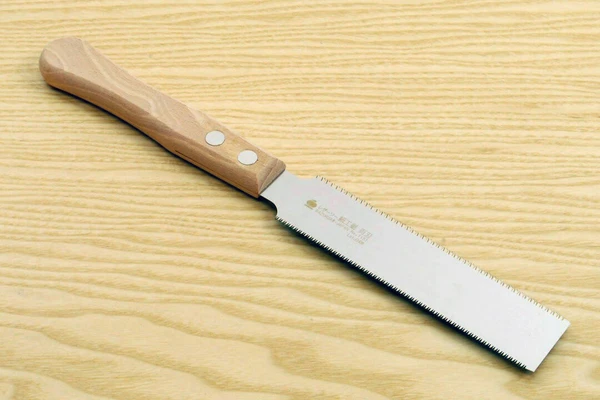
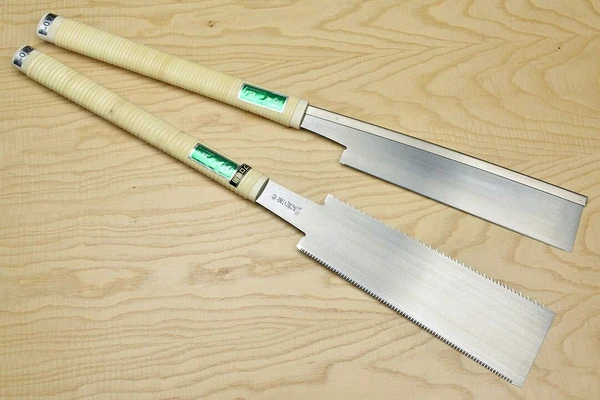
Dozuki (Back Saws) Fine-toothed back saws designed for precision joinery, tenons, and dovetails. The rigid spine keeps the blade stable for accurate, repeatable cuts.
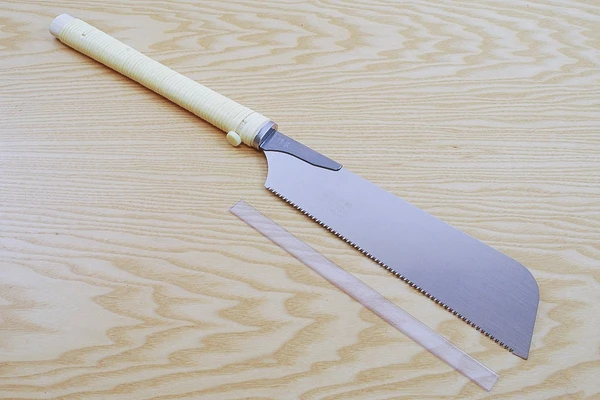
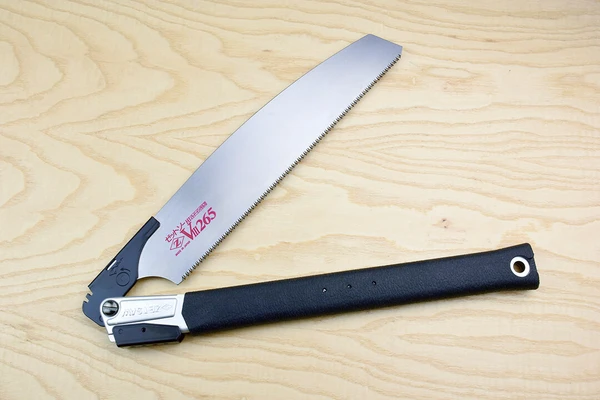
Kataba (Backless Saws) Without a back spine, Kataba saws can cut to any depth - ideal for beams, panels and thicker stock.
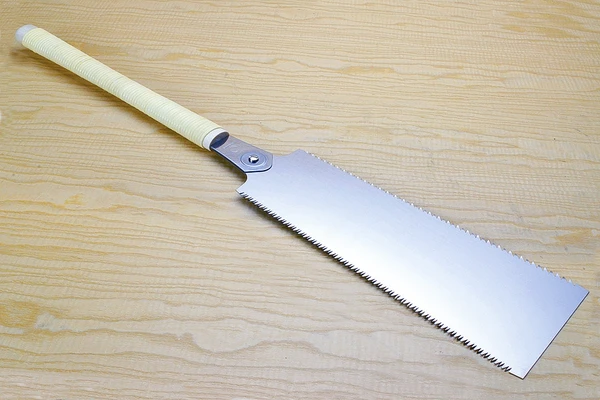
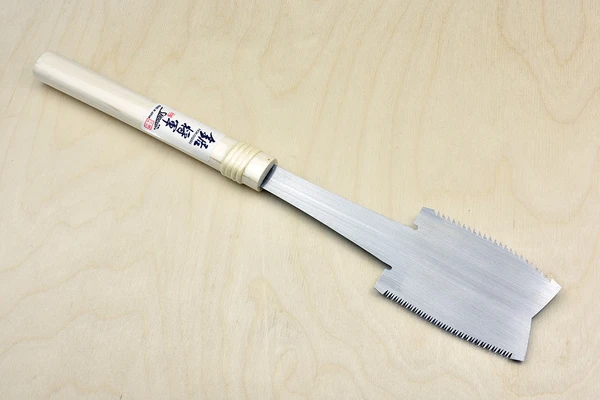
Ryoba (Double-Edged Saws) The most versatile Japanese saw, with rip teeth on one edge and crosscut teeth on the other. Ryoba saws come in several variations to suit your work:
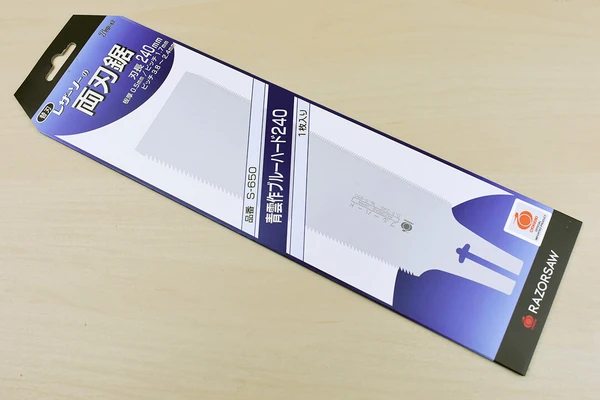
- Bluehard - Stiffer plate for improved accuracy in joinery work
- Komame - Finer teeth, ideal for hardwoods such as oak, ash, and walnut
- Seiun - Standard teeth, well suited to softwoods and milder hardwoods